 PAVE
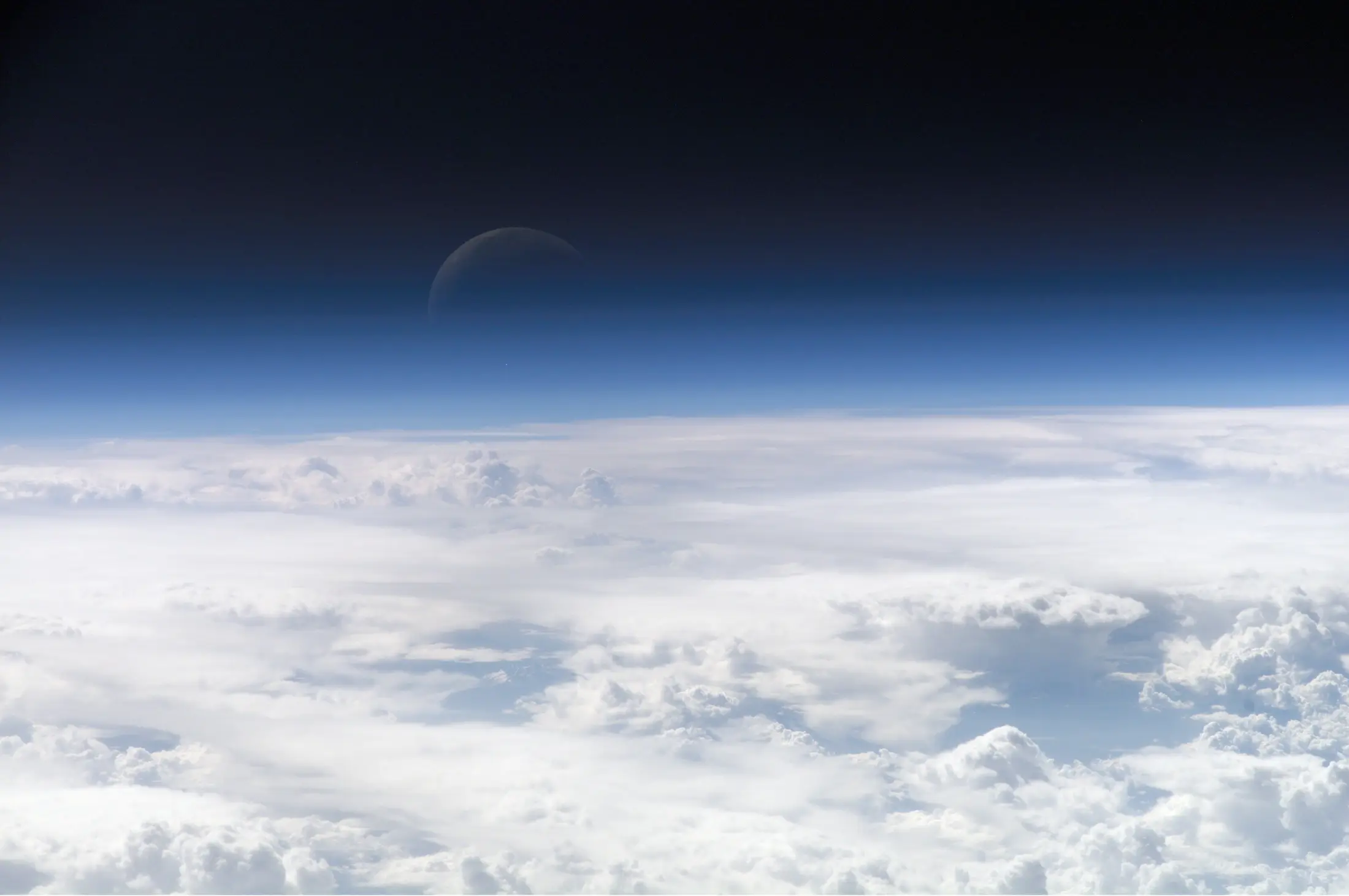
Three hours, one at the top.
PAVE flies beside the BEXUS gondola on a stratospheric balloon. All times are planning estimates, set finally by flight operations.
From countdown to recovery.
T = 0 is lift-off. Exact durations and the split between automatic and telecommanded actions will be fixed through ground testing and with the BEXUS operations team.
Countdown and system checks
Power on the experiment from the external supply. Check sensors, onboard storage and communication with the ground station. Functionally check the pump and actuator.
Aerobot inflation
The outer envelope is filled with helium, leaks are checked and the ballonet and arm are prepared for launch. Timing relative to the countdown is still to be determined with ground handling.
Final launch preparation
Complete attachment and connection checks. Verify operation after the changeover to the gondola batteries, expected around T − 1 h. Begin continuous recording.
Launch and ascent
Hold the launch configuration. Record pressures, temperatures, arm angle and both IMUs. Brief functional checks may be commanded from the ground.
Arrival at float
Once float conditions and readiness are confirmed, the test sequence starts by telecommand through E-Link. Set the actuator's dead-weight compensation and record a pump-off baseline.
Main tests
Ballonet inflation and deflation cycles, then altitude-control tests. Onboard timers run the cycles, with ground commands to start, adjust or stop. Principal measurements come first, within the first hour of float.
Additional tests
Repeat selected cycles and run remote-command and communication-delay tests, only if the primary measurements are complete. No flight time beyond the three-hour maximum is assumed.
Descent preparation
On instruction from flight operations: stop active tests, prepare the ballonet for descent and secure the moving arm. Report readiness before cut-down.
Descent and landing
Active test cycles stay disabled and the arm secured. Onboard logging continues while power remains, including after the telemetry link is lost.
Recovery
Power off according to the recovery instructions. Retrieve and back up the recorded data from onboard storage.
Nothing on the ground can do all of this at once.
Low-altitude balloons don't count
Blimps already work well at low altitude, where density and pressure make ballonet control relatively easy. That fails to represent the target planetary environments, so PAVE has to be tested at the extremes.
Static tests miss the dynamics
Static thermal-vacuum tests cannot reproduce the natural convection and disturbances that affect pump efficiency and the mechanical stress on a flexible envelope. A continuous float phase is essential.
Real data against a model.
The result is a verdict on whether ballonet altitude control is feasible and scalable for future planetary missions.
- 1 · CleanCheck the records for missing or inconsistent measurements, and synchronise the sensors with the control commands.
- 2 · CompareRun the Simulink model with the flight's recorded pressure and temperature as inputs, and compare the vertical motion, the control response and the pressure and temperature changes.
- 3 · QuantifyResponse time, position error and stability around the commanded position, with both IMUs showing how gondola motion affected the readings.
- 4 · PredictUse separate flight segments for calibration and validation, to see whether the refined model predicts behaviour beyond the data used to tune it.
- 5 · PublishDocument the data, methods and findings in the final experiment report, as a basis for future work on balloon-based altitude control.